When I was a senior in high school, my best friend at the time’s dad died. It was very sudden: one day, he was fine, the next, he was slumped over in his chair from a heart attack in his 40s. Her uncle died in a similar way just months previous to this, and the shock really got to her. I remember the day it happened: it was weeks before our final year of high school had started. I got a text from another friend stating plainly, “Jayda’s dad died.” My parents were sitting in the den when I told them I had to go to her house, and although it was after dark, they let me go. A group of us sat in her driveway as she sobbed while telling us what happened. I remember the sheer desperation in her voice to be able to see or talk to him again, just one last time. We lived in Alabama and he in Ohio.
I didn’t really know what to do in the days following, other than what I had seen people do for my family. A year or so prior to that, both of my grandfathers died within six months of one another. Going back and forth between Mobile and Jackson and Selma, something that I remembered was that people were just around, and food somehow magically materialized, so I followed suit. I drove my dad’s 1995 Jeep Grand Cherokee to our nearby Dollar General, spent around $15 on snacks, took them to her, and sat with her and another of her friends, talking.
My high school graduating class was, I’d say, unusually tight-knit compared to the other classes. There were the usual cliques, but instead of separate circles, our class of around 200 was a huge overlapping Venn diagram. In our final year of high school, we did a lot with one another, including sitting in collective shock at the church up the street from my house one Sunday once we realized this “non-denominational” church we decided to go to together was the kind where the sermon was about nothing in particular and people fell over and convulsed once being stricken by the holy ghost.
Not long after Jayda’s dad died, another one of our classmate’s dads died as well, this time at the hands of a police officer. This, I also remember – my mom called me into the den and asked me if I knew anybody by a particular last name, and just as soon as I said I did, my phone buzzed with a text saying that we were all meeting at Jayda’s house because our classmate’s dad was shot and killed. This time, we didn’t talk about what happened. We treated it like any other hang – we watched a movie, joked, laughed. It was surprisingly normal.
At that point, I started getting paranoid – was my dad next? I remember asking him around that time when was the last time he’d been to the doctor and, sensing the reason for my worry, he assured me he was healthy as a horse. I haven’t spoken to any of my graduating class for many years now, but when the time comes, hopefully for not another 15 or 20 years, I hope someone will return the favor – sit with me, bring me snacks, laugh and watch movies with me, listen. After all, that is what community is for.
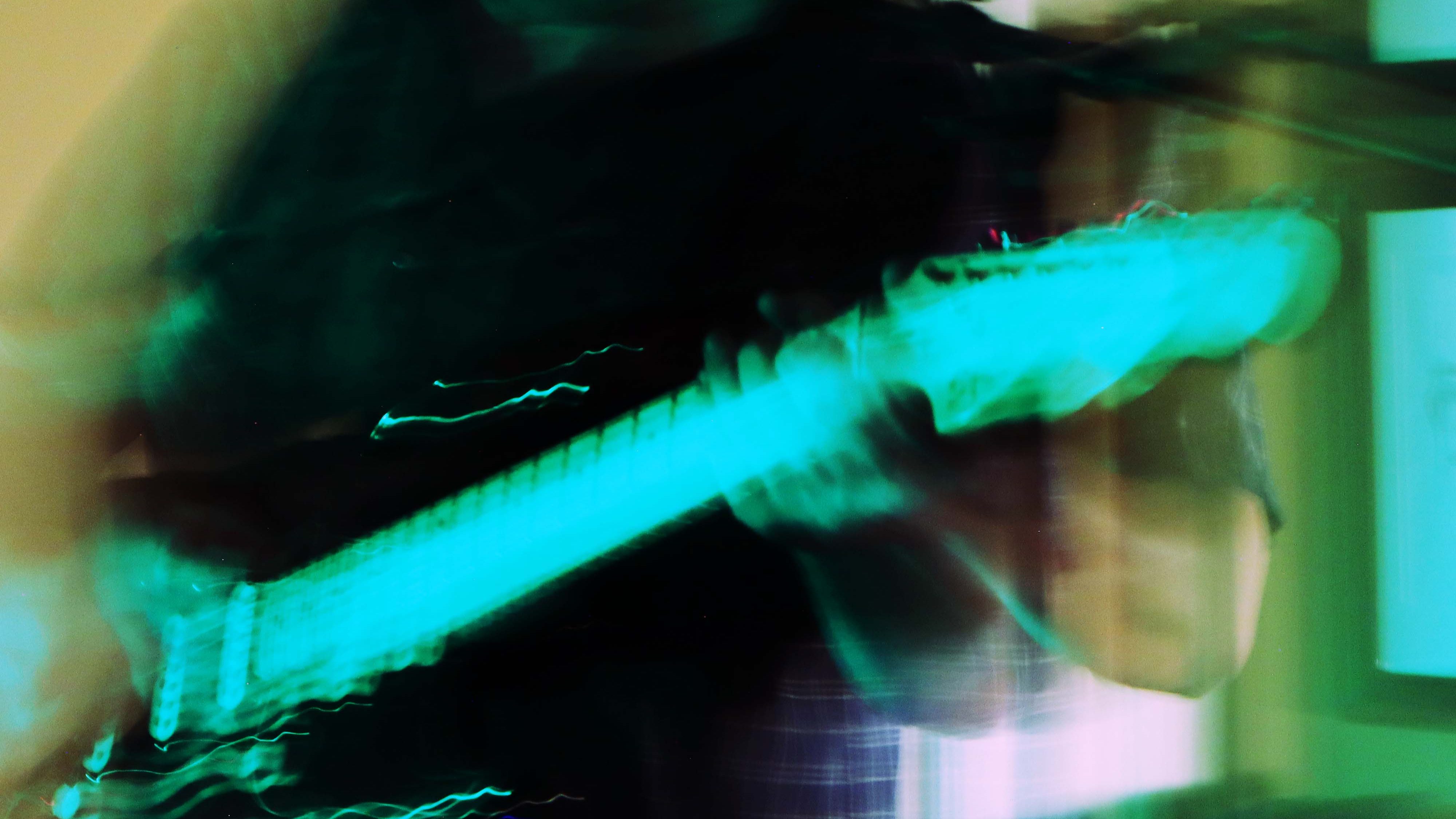
On Saturday, June 1st, I went to a show at The End of All Music in Fondren. It wasn’t a regular show, but a benefit for a departed member of the DIY community here, and it was called Wes Fest. I debated whether or not I should go because I never knew Wes and wondered if it would be like a stranger showing up to a funeral, but considering it was an event open to everyone and that the money raised would be going to Wes’ family, I figured that as a new-ish member of the community, I would go. So I went, and after the bands performed for the night, Wes’ daughter, who we had sung happy birthday to just minutes before, got on the mic to talk about her dad. In that moment, I realized that Wes clearly meant a lot to a lot of people. Enough for someone to set up a benefit show for his family, enough for $1,000 to be raised, enough for all of us to listen with rapt attention to this little girl who lost her dad.
On the morning of Wednesday, November 6th, it seems I went through all five stages of grief in about two and a half hours, for reasons I’m sure we all can guess. By the time I had gotten dressed and ready for work, a sense of resolve washed over me. One sentiment that was pretty pervasive that morning on social media was the importance of community. Appeals to get to know your neighbors, building stronger bonds with your friends, the power of art and creation in times of hardship. The idea that no matter what, we have to have each other’s backs and that the people who I’ve helped will help me in return when I one day need it was comforting to me. Yes, there was plenty of catastrophizing in the immediate aftermath of the election being called, both online and in my head, but the fact that everyone was, it seemed, willing to collectively gird their loins while figuring out what happens next was greatly reassuring, especially when it seems that the United States is crashing harder and harder into antagonistic individualism.
I will admit, I’ve had great trouble breaking from that individualism because of experiences that led me to believe that I can rely on no one but myself and that the world at large doesn’t care about me. Being a black woman, I am constantly given proof that the latter is true, but I have no way of knowing if the former is true because I just never ask for help. Yes, I can and have been able to figure out how to do things on my own, but I know that one day, there’s going to be something that’s totally out of my wheelhouse and I will have no choice but to begrudgingly ask for assistance. I at least now recognize that this individualism will probably one day be my downfall, and I want badly to let go of it. I want to be able to let myself rely on people, and I want others in this community to feel the same way.
It seems to be a very real possibility that many of us in the DIY community, which has always been inhabited by the most marginalized of society, are at risk of losing many of our hard-fought rights. But, if learning queer history has taught me one thing, it’s that marginalized folks will ALWAYS find ways to exist and even thrive in society–and they don’t do it alone.
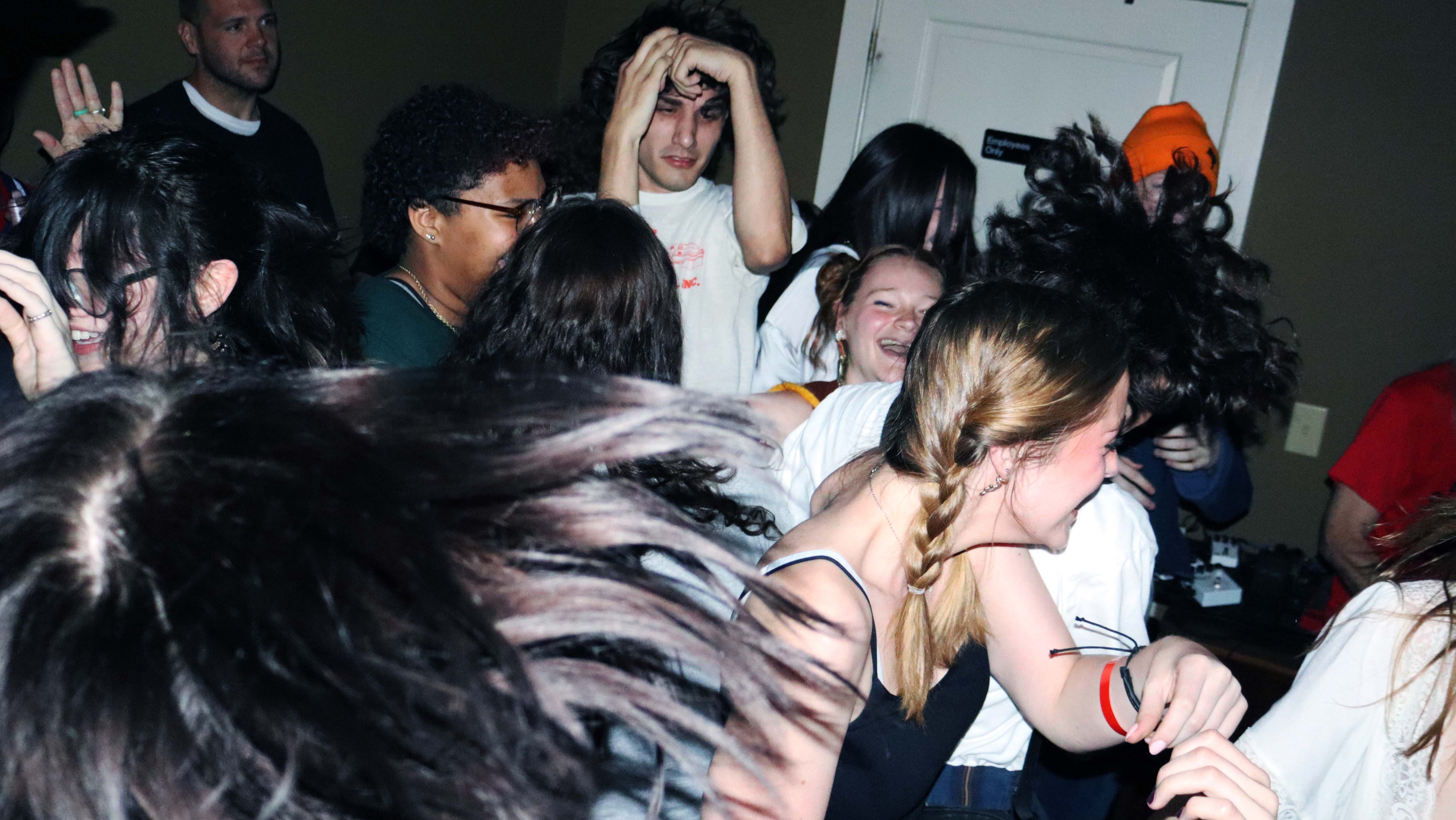
Wednesday night, I went to a show at Urban Foxes featuring a musician named Micah Schnabel, and in between songs, he said something about how important third spaces are, and how important they’re going to be in the years ahead. And he’s right. Many people find they can’t fully be themselves in their workplaces or schools or homes, but at shows, they can just be. Early on, I was perhaps too concerned with my perception, especially considering I was around a totally new group of people, but then I realized something: everyone I saw at a show here in Jackson is a weird little freak, so I can just be myself. Here, there’s no need to keep up the kayfabe that I am a this put-together person. And as someone who suppressed large parts of my personality growing up just to avoid being bullied, that’s a great relief.
If you’re reading this, in Jackson or elsewhere, and aren’t quite sure how to get involved with your local DIY music community, my best advice is to just start going to shows. When I started, I didn’t know it would branch out into me writing about bands, yapping about music on a podcast, taking pictures at shows, booking bands, or learning how to play the guitar, but it just kinda happened because I started to make friends in the community. I just wanted to get out of the house and listen to music. And if you’re someone who wants to start doing any of those things and more, there are so many people ready and willing to help you out, including me (minus learning the guitar, because I’m still really bad at it). And while it’ll take a lot more than zines and punk music to get through the next four years, it’s a start that can lead to things more tangibly impactful like mutual aid and community organizing.
Things are about to get really tough. But together, we can soften the blow.
 JXN UNDERGROUND